
Why Do I Have “Knots” in My Muscles? Understanding Trigger Points.
We’ve all felt them: those stubborn, tight spots in your shoulders or lower back that feel like a hard pea or a coiled spring under the skin. Most of us call them “knots,” but in the world of massage therapy, they have a more technical name: Trigger Points.
If you’ve been trying to rub a knot out yourself with a tennis ball or a foam roller without success, here is the science behind what is happening in your muscles and why professional pressure is the key to fixing it.
What Exactly is a “Knot”?
Your muscles are made up of long fibers that contract and relax to create movement. Imagine these fibers as a bundle of rubber bands. In a healthy muscle, these bands slide smoothly.
A trigger point occurs when a small patch of those muscle fibers stays contracted and “locked” in a shortened position. This creates a tight band of muscle that doesn’t relax, effectively cutting off blood flow and trapping metabolic waste (like lactic acid) in the area.
This is why it feels like a hard “knot”—it is literally a piece of muscle that has forgotten how to let go.
Why Do Trigger Points Form?
Knots rarely appear out of nowhere. They are usually the body’s response to:
- Repetitive Strain: Typing at a keyboard for eight hours or scrolling on a phone (the classic “Tech Neck”).
- Poor Posture: Slumping in a chair or leaning to one side while driving.
- Overuse: Pushing too hard during a workout without adequate recovery.
- Stress: When we are stressed, we unconsciously shrug our shoulders or clench our jaws, keeping muscles in a state of constant tension.
Why Does it Hurt Somewhere Else? (Referred Pain)
One of the strangest things about trigger points is that they often cause “referred pain.” You might feel a knot in your upper trapezius (shoulder), but you feel a dull ache in your temple or behind your eye. This happens because the nervous system can “misinterpret” the signal from the knot, sending the pain sensation to a different part of the body.
How Professional Pressure “Unknots” the Muscle
You might wonder why you can’t just rub the knot away at home. The secret is Ischemic Compression.
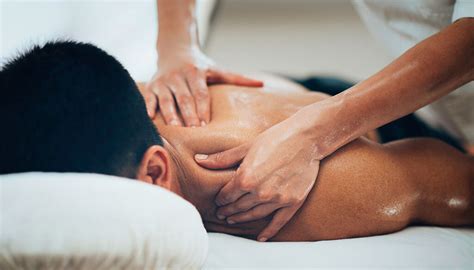
When a trained massage therapist finds a trigger point, they apply a specific, sustained amount of pressure directly to the center of the knot. This does two things:
- The “Reset” Button: The pressure signals the nervous system to stop the contraction, forcing the muscle fiber to finally relax.
- The Blood Flush: Once the pressure is released, a fresh surge of oxygenated blood rushes back into the tissue. This “flushes” out the trapped toxins and brings in the nutrients needed for the muscle to heal.
Stop Fighting Your Knots Alone
While stretching is great for maintenance, it often can’t “break” a deep trigger point. To truly release the tension and stop the knot from returning, you need the precision and depth that only a professional therapist can provide.
Ready to let go of the tension?
Whether you’re battling “Tech Neck” or recovering from a tough gym week, we can help you find the source of your knots and clear them away.
👉 [Book Your Session Now] to find a time that works for you. Your muscles will thank you.